 Auto Encyclo Welcome To Auto Encyclo site for reviews car
Related Articles


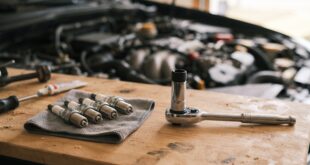
A dirty engine air filter is one of those quiet problems that rarely strands you on the roadside. Instead it nicks throttle response, can nudge fuel use the wrong way, and lets the engine breathe through grit it should never see. Shop labor for the swap is often higher than the part itself. The job is still one of the friendliest DIY tasks under the hood—if you use the correct filter and close the housing so unfiltered air cannot cheat past the seal.
These simple steps explain how to replace your car’s engine air filter yourself on common box-style housings. Some performance intakes and tightly packaged engines differ. Always match the part to your exact engine and year. This is general guidance, not a substitute for the owner’s manual. (Cabin filters behind the glove box are a separate, equally easy job—do not confuse the two.)
Why the Engine Air Filter Matters
The filter traps dust, pollen, and road grit before air reaches the intake. A clogged element restricts flow; a damaged one passes debris. You might notice a duller pedal, unusual intake noise, or simply see a gray-black pleated surface when you open the box at service time. Many manuals list long intervals, yet dusty roads, construction zones, and wildfire seasons justify earlier checks.
Replacing the filter restores the designed airflow path. It will not fix a misfire caused by coils or add huge horsepower on a healthy engine. Treat it as inexpensive prevention and a five-minute inspection habit every oil change.
Expert Insight From Service Counters
We still find housings clipped shut on only one side, filters installed upside down, and “universal” foam hacks that leave gaps. The seal is the product. A premium filter that does not seat is worse than a basic filter that does.
Buy the Right Filter Before You Open Anything
Use your license plate or VIN in a parts lookup, or read the old filter’s part number if the car has been serviced correctly before. Shape and height must match. Some housings use a panel filter; others use a round element. Avoid oiled performance filters unless the intake system is designed for them and you are willing to clean them on schedule—dry paper panels remain the simple path for most owners.
Have a soft brush or vacuum handy for the empty housing. Wear gloves if the box is filthy. Work with the engine off and cool enough to touch nearby plastic. You do not need a lift for most cars—just enough space to open the hood fully.
Cabin Filter Versus Engine Filter
The cabin filter cleans air for the HVAC system and usually lives behind the glove compartment or under the cowl. The engine filter lives in a black plastic box near the intake snorkel. This guide focuses on the engine side. Swapping the wrong one helps neither system.
Step-by-Step: Open, Swap, Seal
Open the hood and locate the rectangular or cylindrical air box. Release the metal spring clips, plastic tabs, or a few screws holding the lid. Some lids also have a sensor connector or a small hose—do not yank; disconnect or move gently if required. Lift the lid and note the filter’s orientation: the rubber sealing edge usually seats in a specific groove, and arrows on some filters mark airflow direction.
Remove the old filter straight up. Vacuum or wipe loose debris from the housing base so dirt does not fall into the clean side when you install the new panel. Place the new filter in the same orientation, ensuring the seal sits evenly all around without folded corners. Close the lid and refasten every clip until the seam looks uniform. A lid that stands proud on one corner is not sealed.
Hypothetical Ten-Minute Job
You buy the OEM-equivalent panel, pop six clips, and find a filter that looks like a shop vacuum bag. The new one drops in, clips snap, and the throttle feels a touch crisper on the next drive. That is a typical outcome—not a transformation into a race car, just a restored intake path.
Extra Checks While You Are There
Inspect the intake tube from the box to the throttle body for cracks or loose clamps. A split hose can lean the mixture and turn on a check-engine light. Confirm the mass airflow sensor—if mounted in the lid or tube—stays clean and unhandled roughly; do not spray random chemicals on it unless you are following a proper MAF cleaning procedure.
Look at the old filter’s debris. Heavy sand may mean more frequent changes. Oil saturation on a paper filter can hint at other engine issues and deserves a technician’s look if it returns. Reset nothing electronic for a simple filter swap on most vehicles—there is usually no “air filter life monitor” the way oil life systems work.
When DIY Gets Awkward
Some engines hide the box under covers or place it so the battery or strut tower blocks the lid. If you must remove multiple components and feel lost, photograph each step or stop. Forcing clips until they break turns a $20 job into a housing replacement.
Performance and Maintenance Habits

Stock replacement intervals are a baseline. If you drive gravel roads, shorten the gap between inspections. After any filter change, take a short drive and listen for whistling that might mean a poor seal. Keep a note of the date and mileage with your oil records so you are not guessing next year.
Skip oversized cone filters that require cutting factory housings unless you understand emissions rules and tuning consequences in your area. For daily drivers, a correct sealed panel remains the smart, quiet choice. Performance is reliability and clean sensors as much as peak flow numbers on a marketing chart.
Cost Reality
The part is inexpensive; dealerships and quick-lube shops charge convenience. DIY pays you for five to fifteen minutes and teaches you the layout of your engine bay. That familiarity helps the next time something sounds off under the hood.
FAQ
How often should I change the engine air filter?
Follow the owner’s manual, then inspect more often in dusty conditions. Many drivers check at each oil change.
Will a new air filter improve gas mileage?
If the old filter was badly restricted, you may see a small improvement. A clean filter on an already healthy system will not create large gains.
Can I clean and reuse a paper filter?
No. Replace paper panel filters. Only certain oiled reusable filters are designed to be cleaned.
Which way does the filter go in?
Match the old orientation and any airflow arrows. The sealing gasket must sit fully in its channel.
Why is my engine light on after a filter change?
The filter swap itself rarely causes a light—check that sensors and intake tubes are fully connected and sealed.
Is this the cabin filter too?
No. Cabin filters are replaced separately, usually via the glove box or cowl area.
Clip, Seat, Confirm the Seal
Replacing your car’s air filter yourself is a simple sequence: identify the engine air box, buy the exact panel, open the housing, clear debris, seat the new filter, and fasten every clip so the lid seals. The job rewards careful orientation more than strength. Do it on schedule and you protect the engine with almost no drama.
Order the correct filter this week and check the box while the hood is already open for an oil check. If the element looks gray and loaded, swap it before the next dusty trip. Clean air is cheap insurance—and one of the few under-hood tasks that truly fits a beginner’s toolbox.

