 Auto Encyclo Welcome To Auto Encyclo site for reviews car
Related Articles


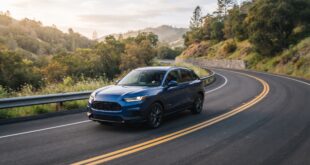
Most midsize sedans lost the marketing war to crossovers years ago. What they did not lose is the ability to move four adults, a week of groceries, and a tank of fuel that lasts long enough to make gas-station stops feel optional. If you are tired of lifting yourself into a tall vehicle you never take off-road, the 2026 Toyota Camry Hybrid is aiming directly at that fatigue.
This review focuses on efficiency, comfort, and real-world performance for drivers who care more about ownership calm than launch-control theater. The Camry is now hybrid across the lineup in its current generation story, with front-wheel drive and available electronic all-wheel drive, strong EPA figures on lighter trims, and the familiar Toyota Safety Sense toolkit as standard. Specs and pricing vary by trim and market—verify the window sticker on the car you intend to buy.
Powertrain and Efficiency: Where the Camry Still Wins Hearts
Every 2026 Camry uses a hybrid system built around a 2.5-liter four-cylinder paired with electric motor assistance. Front-wheel-drive models are commonly rated around 225 combined horsepower; all-wheel-drive versions add a rear motor and a bit more system output in Toyota’s published figures. The character is smooth rather than sporty-explosive, with the usual hybrid blending of engine and motor that prioritizes calm progress over drama.
Fuel economy is the headline. Entry LE front-drive ratings land near the low-50s mpg combined in EPA estimates, with other trims generally in the mid-40s to high-40s depending on wheels, tires, and drivetrain. AWD costs some efficiency, especially on heavier XSE-type builds, yet remains competitive for a midsize sedan that can also offer weather traction. Real-world numbers depend on climate, speed, and short-trip frequency—highway runs at elevated speeds will not match city hybrid magic.
Range That Changes Trip Planning
With a modest fuel tank and high efficiency, estimated driving range on efficient trims can stretch well past 600 miles under ideal rating conditions. That is not a promise for every route. It is a reminder that fewer fill-ups are part of the ownership product. If you hate stopping, this matters as much as peak horsepower.
Real-World Performance: Adequate, Polished, Predictable
Acceleration is best described as confident for merging and passing rather than thrilling. Independent tests of recent Camry Hybrids have recorded roughly seven-second 0–60 mph runs in common configurations—perfectly usable, not a drag-strip brief. The continuously variable transmission calibration is tuned for efficiency; it can drone if you flatten the pedal, which is true of many hybrids in this class.
Steering is light and accurate enough for daily work. Sportier SE and XSE trims firm things up and look more aggressive, sometimes at a small cost to ride compliance and mpg. Comfort-oriented LE and XLE setups better match the car’s natural mission: eating commutes and school runs without complaint. None of these is a canyon scalpel, and that is fine.
Expert Insight From Mixed Weeks
The Camry Hybrid feels strongest in the pattern most owners actually drive—suburb to highway to parking structure. If your joy is apex hunting, look at sport sedans and accept their fuel and tire bills. If your joy is skipping a week of fuel stops, stay here.
Comfort, Space, and Cabin Practicality
Seats are a Camry strength: supportive for long sits without the overly firm posture of some German sport seats. Rear space is usable for adults on medium trips; child seats fit with the usual midsize planning. Trunk volume is competitive for the class—bring your stroller or golf clubs on the test drive rather than trusting adjectives.
Noise isolation is good for the money, with residual hybrid system whir at low speeds and engine rise under hard demand. Materials improve as you climb trims; base LE still includes modern connectivity rather than feeling like punishment. Wireless Apple CarPlay and Android Auto, multiple USB ports, and a wireless charging pad on many builds reduce cable clutter. Higher trims move to larger dual-screen layouts that look more current.
Daily Controls Matter
Physical climate controls and clear steering-wheel buttons help more than a futuristic blank slab when you are wearing gloves or navigating a messy intersection. Toyota still largely respects that reality. Spend ten minutes pairing your phone and adjusting mirrors before you judge the whole cabin on design Instagram alone.
Safety Tech and Driver Assistance
Toyota Safety Sense 3.0 is standard, typically including adaptive cruise, lane-tracing functions, pre-collision braking with pedestrian detection, and related assists. Blind-spot monitoring and rear cross-traffic alert appear widely. These systems reduce stress in traffic when calibrated to your taste; overly sensitive beeps get disabled, so test and adjust on the first week of ownership.
Cameras and sensors need clean surfaces and proper calibration after glass work. A Camry Hybrid is still a car that needs an attentive driver. Assistance is a backup, not a chauffeur.
Hypothetical Family Week
Morning school drop-off, highway commute, evening grocery run, weekend two-hour interstate trip. The hybrid system shines in the stop-and-go pieces; the cabin comfort shows on the interstate; the safety suite helps on the crowded ring road. That week is the review that matters.
Trims, Pricing Reality, and Ownership Costs
Recent pricing for 2026 Camry Hybrid trims has started near the low-to-mid $30,000 range for LE before destination and options, climbing through SE, Nightshade, XLE, and XSE as wheels, upholstery, and audio improve. Value often peaks where you gain needed comfort without 19-inch tires that tax both ride and mpg. Insurance quotes vary by age and location—run them before you fall for a high-trim badge.
Long-term ownership is where Toyota’s reputation does heavy lifting: widespread service knowledge, strong resale for clean examples, and hybrid systems with a long public track record when maintained. Brakes can last longer in city use thanks to regeneration. Tires and suspension wear still follow your road quality and wheel choice. Budget for normal maintenance, not zero maintenance.
Who Should Look Elsewhere
If you need maximum cargo flexibility, a hybrid crossover may fit better. If you want plug-in electric miles for a short commute, consider a PHEV or BEV and confirm home charging. If you demand sharp steering feedback above all, sample a 3 Series or similar and bring a larger fuel budget.
Verdict: A Smarter Default Than the Segment’s Reputation Suggests
The 2026 Toyota Camry Hybrid is not trying to go viral. It is trying to be the car you forget to worry about—efficient, roomy enough, comfortable on the interstate, and backed by a service network that exists in ordinary towns. Efficiency is excellent on paper and strong in real commuting. Performance is adequate and polished. Comfort is a genuine selling point.
Choose LE or a carefully optioned mid trim if efficiency and value lead your list. Choose SE/XSE if you want a bit more visual attitude and accept small tradeoffs. Drive an AWD example if your winters or unpaved driveway demand it. The best Camry Hybrid is the one whose tires and options still respect the hybrid mission.
A Compact Buyer Checklist
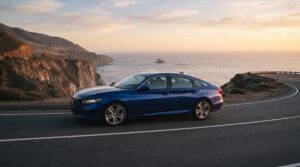
Test your phone’s wireless projection. Sit in the rear with the driver’s seat set for a tall adult. Drive highway and city on the same loop. Compare FWD vs AWD only if you need traction. Quote insurance. Read the tire size on the sticker. That list prevents most regrets.
FAQ
Is the 2026 Camry only available as a hybrid?
In its current generation positioning for many markets, the Camry is hybrid-focused across trims. Confirm local inventory.
What MPG should I expect?
EPA estimates reach around the low-50s combined on efficient FWD LE builds and land lower on heavier AWD or sport-tinged trims. Your results will vary with speed and weather.
Is it fast enough for highways?
Yes for normal merging and passing. It is not a performance sedan.
Does AWD hurt fuel economy much?
Some, especially on higher trims with larger wheels. Many owners still find AWD hybrids efficient versus older gas AWD sedans.
Is the Camry Hybrid comfortable for long trips?
Yes—that remains one of its core strengths when seats and cabin quietness are priorities.
Is this a substitute for a test drive?
No. Treat it as orientation, then verify current pricing, tires, and features on the specific vehicle.
Efficiency You Will Feel Every Week
The 2026 Toyota Camry Hybrid review story is simple when you strip away segment noise: strong efficiency, grown-up comfort, and real-world performance that covers daily driving without demanding attention. It rewards the buyer who measures success in fill-up intervals and quiet arrivals rather than in social-media acceleration clips.
Schedule a test drive on your actual commute route. If the cabin fits and the hybrid manners feel natural, you are looking at one of the most rational midsize purchases on sale—not the flashiest, and often the one that still makes sense years later.

