 Auto Encyclo Welcome To Auto Encyclo site for reviews car
Related Articles



Most crashes still start with ordinary human limits—distraction, misjudged distance, a late reaction in bad weather. You can be a careful driver and still meet someone who is not. Hardware like seatbelts and airbags save lives after the worst has begun. The newer fight is about preventing the impact in the first place.
Artificial intelligence is transforming modern car safety systems in 2026 by helping vehicles interpret sensor data faster and more consistently than rule-only software alone. Cameras, radar, and other sensors feed models that classify objects, estimate risk, and trigger warnings or braking. That does not make cars conscious, and it does not mean you can stop paying attention. It means safety features are getting better at pattern recognition—if you understand what they can and cannot do.
From Mechanical Protection to Predictive Assistance
Classic safety engineering focused on the crash structure, restraints, and lighting. Electronic stability control and ABS added computer intervention to keep the vehicle controllable. Driver-assistance features then layered on adaptive cruise, lane keeping, automatic emergency braking, and blind-spot alerts. AI enters as a way to make perception and decision logic more adaptable across messy real-world scenes.
In practice, “AI” in the cabin and chassis often means machine-learning models trained on large driving datasets, combined with traditional controls engineering. The system still obeys safety requirements and validation processes. Marketing may say “intelligent.” Engineers still talk about false positives, edge cases, and operational design domains. You should adopt the engineering mindset when you buy.
What Changes for Drivers Day to Day
Warnings arrive earlier in some scenarios. Emergency braking may engage more confidently when a pedestrian steps out. Lane-centering can feel less jerky on well-marked highways. The risk is over-trust: a smoother assistant can lull you into treating a Level 2 feature like full autonomy. Performance gains and responsibility remain paired.
Sensors, Perception, and the Job of “Seeing”
Safety AI is only as good as the inputs. Cameras read lanes, signs, and object appearance. Radar performs well in rain and fog for relative speed and distance. Ultrasonic sensors help at parking distances. Some vehicles add more camera coverage or other sensing approaches depending on brand strategy. Fusion software aligns these inputs so the car can form a working model of nearby road users.
AI-based perception helps classify cyclists, vehicles, and pedestrians across varied clothing, lighting, and angles. That reduces some failures of older systems that needed very clean conditions. Challenges remain: glare, heavy snow covering markings, unusual vehicles, construction zones, and unpredictable human motion. No production system sees perfectly. Treat every alert as a cue to verify with your own eyes.
Expert Insight From Feature Testing
When we evaluate assistance systems, consistency across weather and road quality matters more than a single impressive demo. A feature that rarely false-brakes but misses critical events is not “safer” in the way buyers hope. Look for transparent owner-manual limits and reputable test-program results, not only viral clips.
Automatic Emergency Braking and Driver Warning Logic
Automatic emergency braking (AEB) and forward-collision alerts are among the highest-value AI-assisted safety tools for everyday drivers. Models estimate collision probability and decide when to warn or brake. In 2026, more vehicles extend detection emphasis toward pedestrians and cyclists at urban speeds, where timing is tight and consequences are severe.
Intersection assistants and cross-traffic alerts tackle scenarios older cars simply ignored. Performance varies by speed band, target type, and whether the object is partially occluded. You still need following distance and phone discipline. AEB is a backup, not a license to tailgate.
Hypothetical Near-Miss
You glance at a navigation prompt. A scooter enters from a hidden curb cut. A competent AEB stack may cut severity or avoid contact. The same stack may also brake hard for a harmless plastic bag in a rare false positive. Training your foot to stay ready is still part of safe use.
Lane Support, Blind Spots, and Highway Assist Reality
Lane-departure warnings and lane-keeping support use vision models to track markings and estimate drift. Blind-spot systems combine radar or cameras to flag vehicles in adjacent lanes. Highway pilot-style features can combine speed control and lane centering under driver supervision. In 2026 these systems are more refined on clear freeways and still fragile when markings fade or roads twist through work zones.
Hands-on and eyes-on monitoring exists because the AI is not a legal chauffeur in ordinary consumer Level 2 setups. Driver monitoring cameras increasingly detect prolonged inattention and demand re-engagement. That can feel nagging. It is also a direct response to misuse. If a system requires you to stay engaged, plan for that attention load on long trips.
Calibration After Glass and Alignment Work
Camera- and radar-based safety features may need calibration after windshield replacement or collision repair. Skipping calibration can degrade aiming and reliability. Ask the body shop how they restore ADAS function. A perfect paint match with a misaligned radar is a hollow repair.
Cabin Monitoring, Occupant Protection, and Software Updates
AI also shows up inside the cabin. Child-presence detection uses sensors and models to reduce the chance of leaving a child in a hot vehicle. Seat-belt reminders and occupant classification improve airbag strategies. Some systems watch for signs of severe driver incapacity and attempt a controlled stop—capabilities that remain brand-specific and limited.
Over-the-air updates can refine detection logic after launch. That is a genuine shift from static safety hardware. It also introduces cybersecurity and change-management needs. Install updates from the manufacturer promptly, and be wary of unofficial software tweaks that interfere with safety stacks. Your car’s perception model is part of its crash-avoidance identity.
Data, Privacy, and Trust
Driver monitoring and cloud-connected safety features may process sensitive information. Read settings for cabin cameras and data sharing. Safety and privacy can coexist with clear controls; they conflict when defaults bury opt-outs. Choose features you understand and can configure.
How to Buy and Drive With AI-Supported Safety in 2026
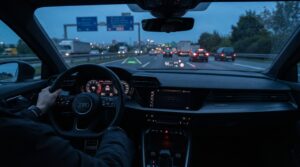
Prioritize proven collision-avoidance fundamentals: AEB with pedestrian detection, blind-spot warnings, and strong headlights—before flashy autonomy branding. Check independent assessment programs where available for your market. Test-drive assistance systems on roads like yours, including imperfect markings if possible. Confirm subscription requirements; some software-enabled features need ongoing fees.
As a driver, keep adaptive cruise gaps reasonable, keep hands ready, and treat every takeover request as urgent. Maintain sensors: clear camera lenses, remove roof-rack obstructions that block views, and repair faults promptly. AI does not excuse delayed maintenance on tires or brakes—the system still needs physical capability to execute a stop.
A Compact Owner Checklist
Know your system’s limits from the manual. Keep the windshield clean. Calibrate after glass work. Update software. Do not use highway assist as a sleep aid. Teach every driver in the household the same rules. Technology reduces some errors; family habits reduce others.
FAQ
How is AI used in car safety systems?
Primarily to interpret sensor data, classify road users and lanes, estimate collision risk, and trigger warnings or interventions such as emergency braking.
Does AI make a car fully self-driving?
Not in typical consumer driver-assistance packages. Supervised features still require an attentive driver.
What safety feature should most drivers value first?
Well-implemented automatic emergency braking and collision warnings, especially with strong pedestrian detection performance.
Can weather defeat these systems?
Yes. Snow-covered lanes, heavy spray, and glare can degrade performance. Stay extra vigilant in poor conditions.
Why does my car nag me to hold the wheel?
Driver monitoring is designed to prevent over-trust of Level 2-style assistance.
Is this a recommendation to buy a specific brand?
No. It is general consumer education. Test features yourself and consult official manuals and local regulations.
Smarter Assistance, Same Responsibility
AI is transforming modern car safety systems in 2026 by improving perception, refining emergency responses, and enabling continuous software improvement—within limits set by sensors, weather, and human supervision. The winners are drivers who use these tools as seatbelts for attention, not as replacements for it.
On your next test drive, spend ten minutes specifically probing AEB alerts, lane support, and blind-spot behavior on familiar roads. Read the system boundaries before you trust the marketing name. Safer technology works best when paired with an alert human who still owns the trip.